The allure of pokie machines in Australia is undeniable. The flashing lights, the spinning reels, and the promise of a big win can be incredibly enticing. Many players dream of cracking the code, discovering that elusive “winning formula” that will turn the odds in their favor. However, it’s crucial to approach pokies with realistic expectations and understand that guaranteed wins are a myth. As someone with years of experience observing and analyzing the gambling industry, I’ve seen firsthand the misconceptions surrounding pokie machines and their payouts.
This article aims to provide a fact-based understanding of how pokie machines actually work, focusing specifically on payouts and the factors that influence them. Forget about secret strategies that promise riches. Instead, we’ll delve into the mechanics, the regulations, and the probabilities involved. The goal is to equip you with the knowledge to make informed decisions and approach pokies responsibly. Remember, gambling should be a form of entertainment, and understanding the odds is the first step towards ensuring it stays that way.
Understanding Pokie Machine Basics
The Role of the Random Number Generator (RNG)
At the heart of every pokie machine lies the Random Number Generator, or RNG. Think of it as a super-complex dice roller, but instead of just six sides, it has billions! This isn’t some simple piece of code; it’s a microchip constantly churning out numbers in a completely unpredictable sequence. Each number corresponds to a specific outcome on the reels – a winning combination, a near miss, or nothing at all. The crucial thing to grasp is that each spin is an independent event. The RNG ensures there’s absolutely no pattern or memory from previous spins. Your chances of winning are the same on every single play, regardless of whether you’ve just hit a jackpot or been on a losing streak. It’s pure, unadulterated randomness, designed for fair play.
Demistifying RTP and Volatility Metrics
Two key figures dictate the rhythm of any pokie machine: RTP and Volatility. RTP, short for ‘Return to Player,’ is expressed as a percentage, such as 96% or 97%. This number indicates the average amount of money the pokie machine is programmed to return to players over a very long period of play. It’s crucial to understand that this is a theoretical average, not a guarantee. Volatility, on the other hand, describes the risk level associated with a particular pokie machine. High volatility pokies are like rollercoaster rides – wins might be infrequent, but when they hit, they can be substantial. Low volatility games offer a smoother experience with smaller, more frequent payouts. Choosing between high and low volatility depends entirely on your risk tolerance and playing style. Are you chasing the dream of landing a life-changing jackpot, or do you prefer the steady drip of smaller wins?
Debunking Common Myths and Fallacies
Pokie machines, with their flashing lights and enticing sounds, are often surrounded by myths and misconceptions. These pokie myths can lead to flawed strategies and ultimately, disappointment. One of the most persistent gambling fallacies is the belief that pokie machines operate on a “hot and cold” cycle. I remember one time, overhearing a guy at the pub confidently declare that a particular machine was “due” for a win because it hadn’t paid out in a while. He was convinced he’d cracked the code. But the truth is, this idea of patterns in pokie machines is simply not accurate.
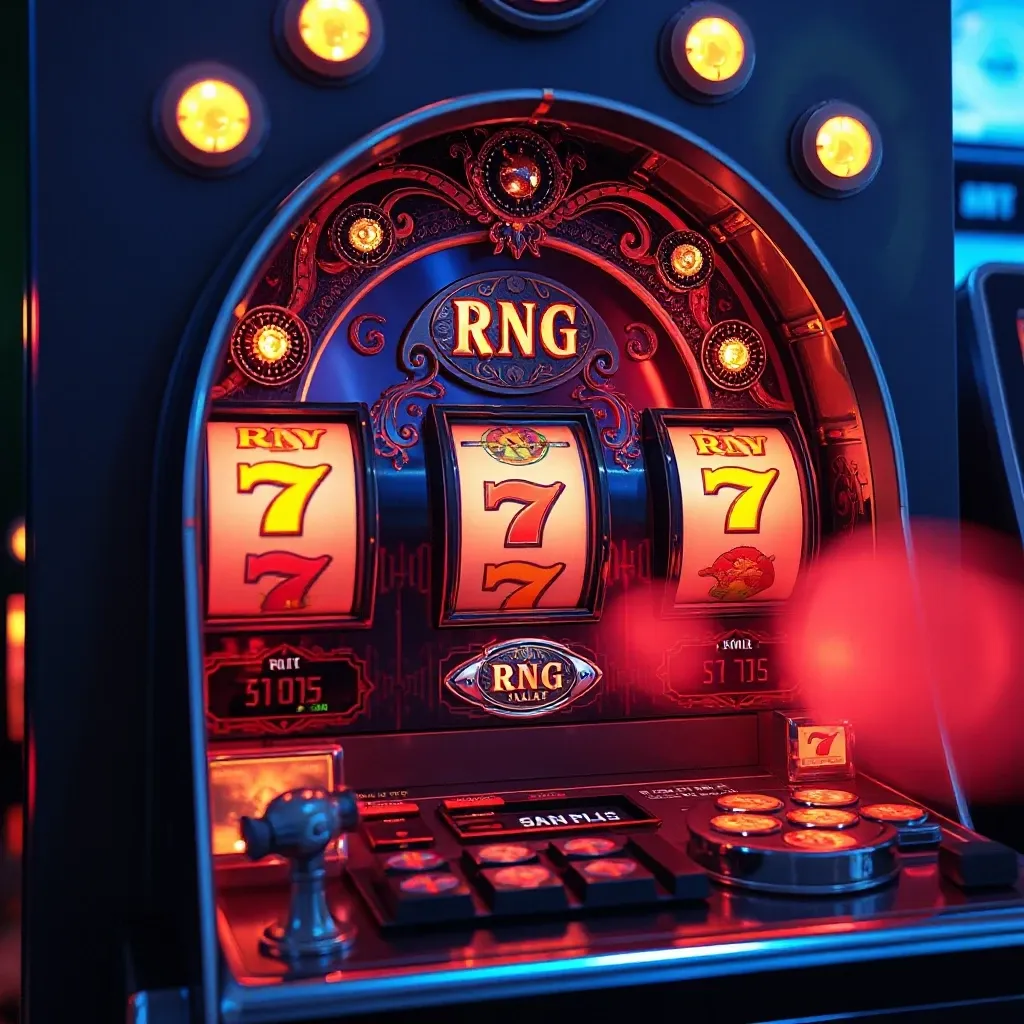
The reality is that modern pokie machines are governed by a Random Number Generator (RNG). This sophisticated piece of technology ensures that every spin is an independent event, completely unrelated to previous spins. The RNG generates thousands of random numbers per second, and the moment you hit the spin button, a number is selected, determining the outcome. It’s pure randomness. There’s no memory of past wins or losses, meaning a machine that hasn’t paid out in hours has the exact same chance of winning on the next spin as one that just hit the jackpot. So, there is no hot and cold behavior. Forget about ‘playing’ the patterns, because RNG ensures they are not there.
Another misconception is that certain times of the day are better for playing. I’ve had friends swear that pokie machines pay out more in the evenings or on weekends and some people affirm that a machine is bias. However, there’s absolutely no evidence to support this. The RNG operates continuously, unaffected by the time of day or week. Wins are distributed randomly, regardless of when you choose to play. So, trying to outsmart the system by choosing specific times is futile.
The Illusion of Patterns and Sequences
The human brain is wired to seek patterns, even where none exist. This inherent tendency, combined with the excitement of gambling, can lead to strong feelings of superstition. We see repetition and assume it signifies an upcoming change in fortune. This is a prime example of the Gambler’s Fallacy. It’s a cognitive bias where we believe that if something happens more frequently than normal during a given period, it will happen less frequently in the future (or vice versa). With pokie machines, this manifests as the belief that a string of losses must inevitably be followed by a win. But, as we know, each spin is a fresh start, unaffected by what came before.
Why The Temperature of a Machine Doesn’t Matter.
Some gamblers operate under the beliefs that a “hot” machine is on a winning streak, while a “cold” machine is best avoided. The temperature of a machine might seem like some mystic force, but it’s completely irrelevant. As previously explained, the RNG dictates the outcome of each spin, making the machine’s physical temperature or perceived winning or losing streak inconsequential. This is just another instance of superstition clouding rational judgment. So, if a machine feels “cold” to the touch, or youthink* it´s running cold, don’t read into it – it has absolutely no bearing on your chances of winning or losing.
Analyzing Machine Behavior: Fact vs. Fiction
Understanding machine behavior in the context of games of chance requires separating demonstrable facts from widespread misconceptions often fueled by the gambler’s fallacy. The core of any modern machine’s operation relies on a Random Number Generator (RNG). This ensures each outcome is independent, regardless of previous results. Factors like volatility, which dictates the size and frequency of payouts, are pre-programmed and consistent. The real challenge is to avoid getting caught up in “fictional bets”—beliefs about patterns or cycles that simply don’t exist. The human mind seeks patterns, even where there are none, leading to false assumptions about when a machine is “due” for a win. However, the key element in machine behavior depends on a combination of factors including the number of players, session length, and money spent, regardless of them being around other gamblers.
Observing Machine Data to Determine Payout Probability
Smart gambling involves looking at concrete metrics, not gut feelings. While individual payouts are random, observing data over many players and sessions can reveal trends. Track the average bet size, the length of play sessions, and the frequency of bonus rounds triggered. A machine programmed with high volatility won’t pay often, but when it does, the payouts will come with fewer tries. However, machines also recognize the type of gambler playing. If any gambler plays many rounds very fast, it could mean they wants to win more, so the machine recognizes them and doesn’t award them as much as others.
How Many Gamblers Are Around Me?
The crowd factor is a matter of psychological influence more than impacting the payouts probabilities of the machine. The perception that a machine surrounded by many gamblers is “hot” or “due” for a win is a common trap. While it’s true that more people playing means more money is flowing into the machine, the rewards are distributed randomly. The more gamblers around, the more likely the rewards are distributed to everyone, giving fewer big rewards during gambler time. Focus on understanding the game’s mechanics and volatility, and less on trying to predict outcomes based on the number of gamblers nearby.
Strategies for Informed Play (Not Guaranteed Wins)
While no strategy can guarantee wins in gambling, adopting responsible practices can significantly enhance your safety and enjoyment. These strategies revolve around informed decision-making and self-awareness, acknowledging that gambling should be a form of entertainment, not a primary source of income or a solution to financial problems.
Budgeting and Responsible Play Habits
Effective budgeting is the cornerstone of responsible gambling. Determine a specific amount of money you’re comfortable losing before you even begin to play, and strictly adhere to that limit. Treat this amount as an entertainment expense, similar to going to the movies or a concert. Avoid the temptation to chase losses, as this often leads to spending more than you can afford and can negatively impact your mental health. Develop responsible playtime habits by setting time limits for your gambling sessions. Also, it is recommended that you do other activities and spend time with your loved ones.
Knowing When to Stop and When To Cash Your Reward
Mastering self-control is crucial for responsible gambling. Learn to recognize when you’re on a winning streak and, more importantly, when you’re on a losing streak. Having established the limit to lose, stand by it, and avoid continuing to play trying to regain your money back. Similarly, set a target for when to cash out your winnings. Avoid the temptation to keep playing in hopes of winning even more, as this can quickly erode your gains. Remember that gambling should be approached with discipline and a clear understanding of your limitations. If you struggle with self-control or feel that gambling is negatively impacting your life, seek help from resources specializing in gambling addiction.
Conclusion
Final Thoughts and Considerations
Pokie machines, at their core, are games of chance dictated by sophisticated algorithms and random number generators. There are no magic formulas or guaranteed strategies to unlock consistent wins. The allure of patterns, the comfort of superstition, and the repetition of routines can create a false sense of control, leading individuals down the path of the gambler’s fallacy. It’s easy to fall prey to cognitive biases, perceiving trends where none exist and chasing losses in an attempt to recoup them.
Ultimately, understanding the inherent randomness of pokie machines is the first step toward responsible gambling. Remember, the thrill lies in the entertainment, not in the expectation of guaranteed returns. Set clear limits for yourself, both in terms of time and money, and stick to them. Recognize when the fun stops and walk away. It is important to acknowledge that gambling always carries a degree of financial risk. Approaching pokie machines with a healthy dose of skepticism and a commitment to responsible practices ensures a more enjoyable and sustainable experience.